Some years ago I was invited to a village where there was no river. Usually in the villages, the source of water was from the river, however in this one, the villagers had dug a hole in the ground and collected water from there for cooking, washing and drinking. I drank from the water and was severely sick and ended up in the hospital.
That’s when I knew that creating a source of clean drinking water was critical and the first priority for the health of the villagers. We first started building wells for villages that didn’t have clean drinking water.
Later we built plumbing that went up the hill, was filtered and returned back down to a communal village spout for villagers to collect water.
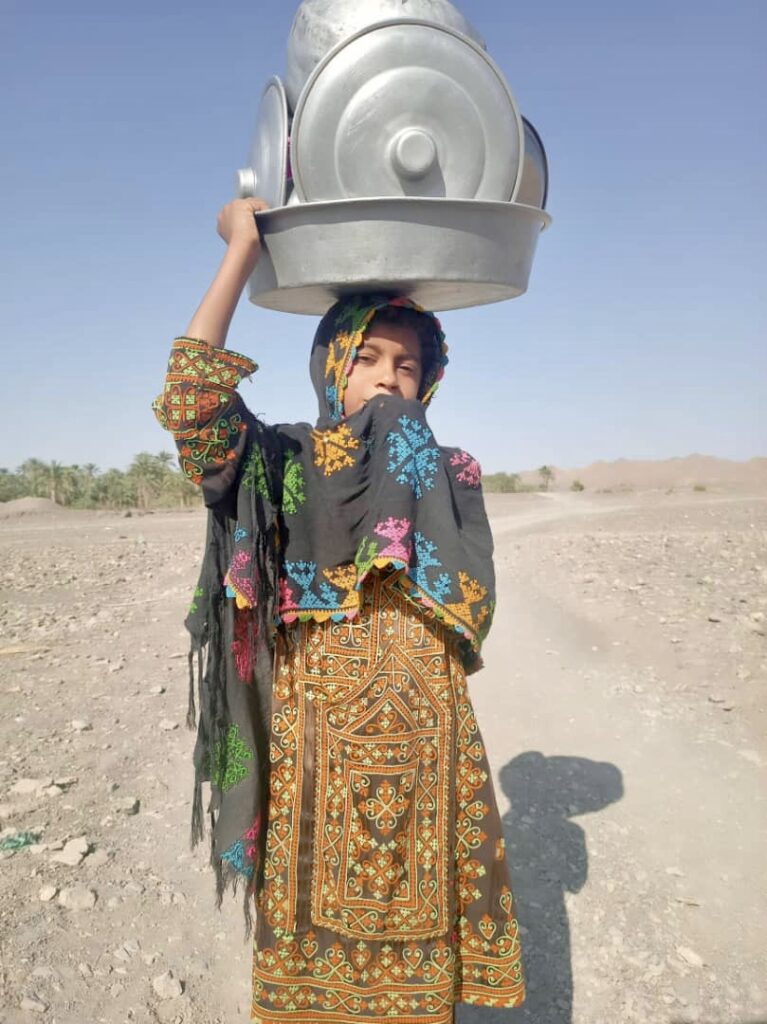
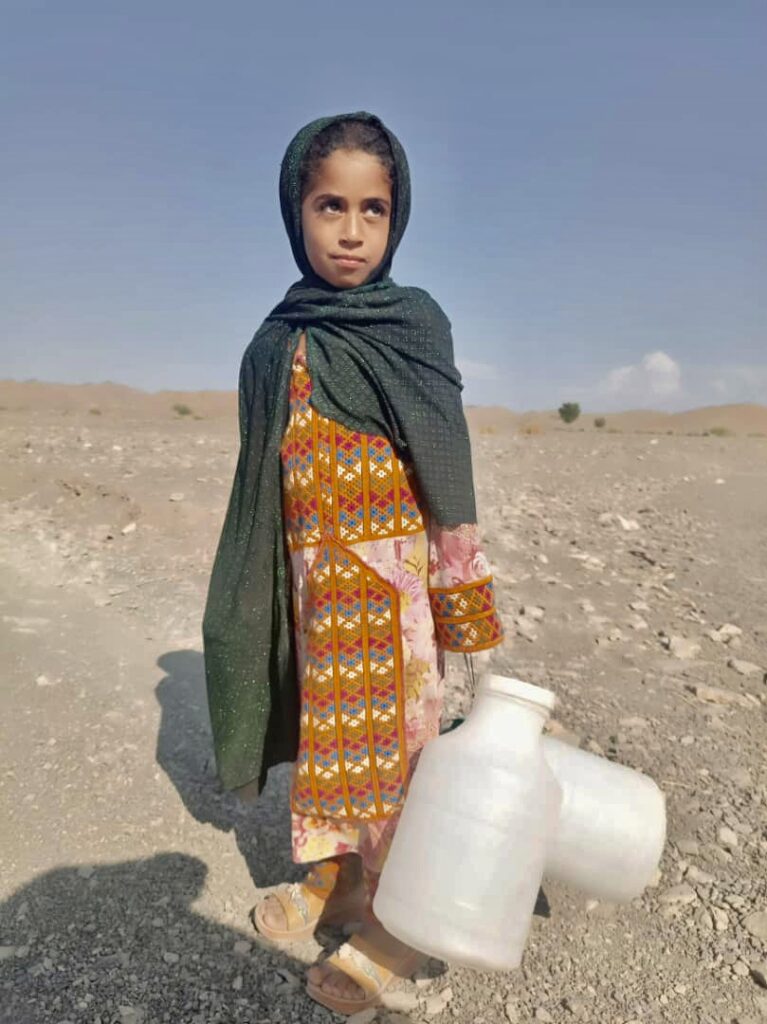
There is a law in the villages that women and girls are responsible fro bringing water from the river to the village. They had to walk 1 km each way to collect water and this had to be done several times each day, carrying the heavy bucket of water not heir heads.
The wells were built to support the women and girls from having to carry the heavy water so many times every day.
Homes have no plumbing or a water source, so carrying the water was a necessity for them to cook and drink.
So far 11 wells have been built in 11 villages. The cost for each has been approximately $2700.
And 1 ‘mahzan’ has been built on top of the hill in a village. The cost for this is approximately $1800.
Many times even the water from the rivers were also not clean and cancer in children in Baluchistan is very high.
Leukemia, Colon Cancer, Stomach Cancer are the top cancers among the villages. Their kidney’s failed very early on all because of their water quality.